
Roles
All 17 battle roles across 6 units in Hell Let Loose: Vietnam — Commander, Squad Leader, Medic, Sniper, Tank Commander, Pilot and more with loadouts and tips.
Introduction
The Roles category profiles all 17 battle roles in Hell Let Loose: Vietnam, spread across 6 battlefield units — Command, Infantry, Recon, Armour, Helicopter and Mortar. Each role has a distinct job that contributes to the 50v50 team effort: the Commander directs the whole army from a strategic map, Squad Leaders lead rifle squads and place outposts, Medics revive and drag wounded soldiers out of fire, and the Recon unit's Sniper and Spotter hunt enemy garrisons. The Armour unit crews tanks with a Tank Commander and Crewman, while the Helicopter unit's Pilot and Logistics Officer run US-only air support. The Mortar squad delivers indirect fire with a Gunner, Observer and Support. This category explains what each role actually does in a match, what loadout to bring, where to stand and how to coordinate with the rest of your team. Role counts are taken from the Steam store page, which is the authoritative source.
Battle Roles Quick Reference
| Role | Unit | Signature Loadout | Tier |
|---|---|---|---|
| Commander | Command | Abilities & binoculars | S |
| Squad Leader | Infantry | Rifle + Outpost | S |
| Medic | Infantry | Carbine + bandages | A |
| Sniper | Recon | M40 rifle | A |
| Tank Commander | Armour | Commander's hatch | A |
| Pilot | Helicopter | Huey controls | A |
| Machine Gunner | Infantry | M60 / RPD | B |
| Mortar Gunner | Mortar | Mortar tube | B |
Role Highlights
Commander
Directs the whole 50-strong army
Squad Leader
The glue of every rifle squad
Medic
Keeps the squad in the fight
Sniper
Long-range precision for Recon
Tank Commander
Crews the Armour unit's tanks
Pilot
US-only Huey air support
Machine Gunner
Suppression and sector holds
Mortar Gunner
Indirect fire for the Mortar squad
Core Mechanics
The role system is the backbone of Hell Let Loose: Vietnam's teamwork. Every one of the 17 roles belongs to one of 6 units that defines its battlefield function. Command is a single-role unit: the Commander reads the strategic map, spends munitions, manpower and fuel on abilities like air strikes and supply drops, and coordinates all Squad Leaders through leadership voice. Infantry is the workhorse unit — Rifleman, Grenadier, Machine Gunner, Medic, Engineer, Specialist and the role that ties squads together, Squad Leader. Recon pairs a Sniper and Spotter to hunt garrisons and feed intel. Armour crews tanks with Tank Commander and Crewman roles, Helicopter runs US-only air support with Pilot and Logistics Officer, and Mortar delivers indirect fire through a Gunner, Observer and Support trio. Your role determines your weapon, your responsibility and how you win fights for your team.
Advantages
The role system is what makes Hell Let Loose: Vietnam more than a large team deathmatch. Because roles are specialized, a 50-player team functions like a small army: Commanders direct, Squad Leaders organize, Medics sustain, and specialist units handle armour, air and indirect fire. This creates moments of genuine combined-arms play — a Recon team spotting a garrison while the Commander calls an air strike and a Mortar squad finishes it — that no generic shooter role can produce. The 6-unit structure also gives players clear progression: you can master one role, then branch into its unit's other roles. For team players, choosing the right role and doing your job is the difference between winning and losing a 50v50 match.
Challenges
The main challenge with the role system is its learning curve and team dependence. Every role requires practice to play well, and some — Commander, Pilot, Tank Commander — demand experience across several matches before you stop being a liability. Role effectiveness is also tied to coordination: a Medic cannot save a squad that does not stay near them, a Mortar team needs an Observer who can read the map, and the Commander's abilities only work if Squad Leaders respond to orders. With 17 roles across 6 units, there is also genuine information overload for new players deciding where to start. Guides need to give clear progression paths and honest difficulty ratings so players pick a role they can actually contribute with.
Frequently Asked Questions
Which role is best for beginners?+
What does the Commander actually do?+
How do the Recon roles work?+
Can I change role mid-match?+
Quick Tips
Play every role at least once in a training or low-stakes match so you understand what your teammates need from you. You cannot support a Commander, drive for a Tank Commander or spot for a Sniper until you have felt what those roles require — experience across roles makes you a better teammate in any of them.
Squad Leaders should place an Outpost immediately when their squad pushes into contested ground. The moment you take a position, the outpost gives your squad a forward spawn and turns a temporary foothold into a lasting advantage — delay it and the push stalls. The best role is the one you can play consistently well for your squad.
Medics should drag wounded allies behind cover before reviving, so you do not revive them straight into enemy fire. A revive that happens in safety is worth two that happen in the open — the extra seconds spent dragging save the life and the squad's momentum. The best role is the one you can play consistently well for your squad.
Featured
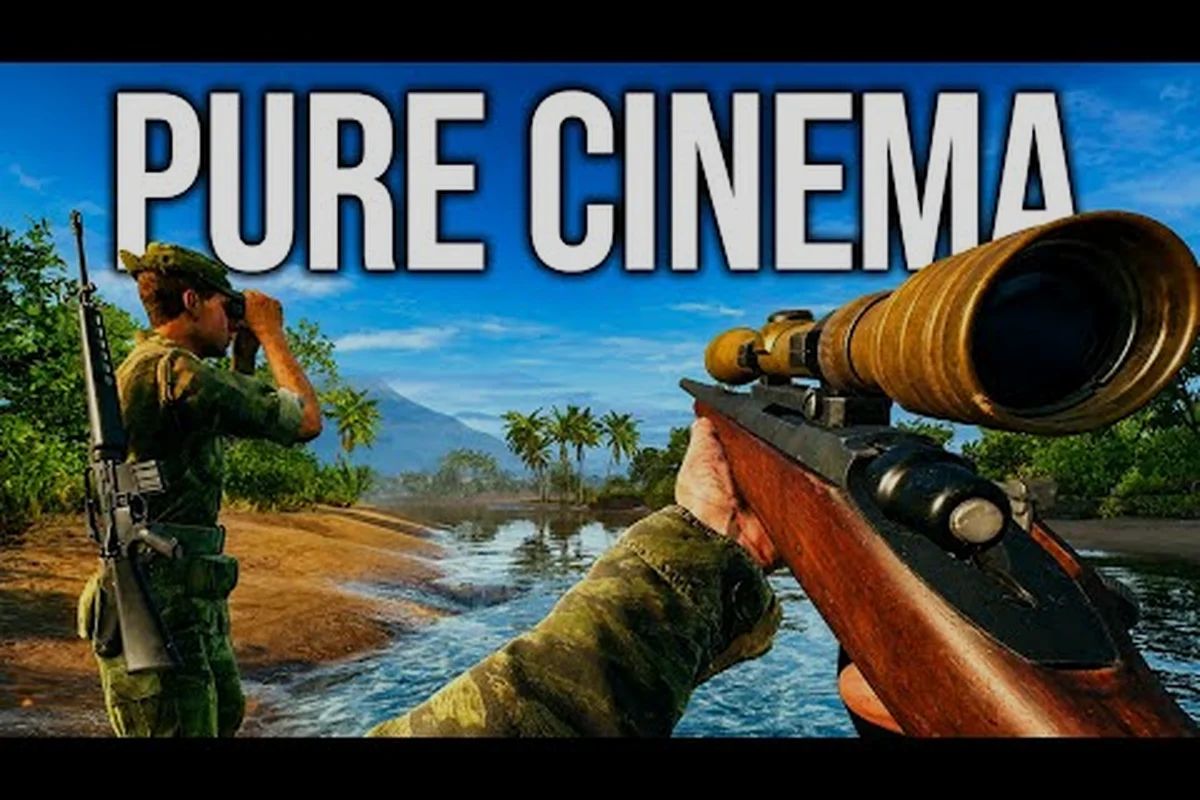
Hell Let Loose: Vietnam Roles List: 17 Classes Explained
Master hell let loose vietnam roles with this complete list. Learn each class's strengths, from rifleman to medic, and pick the best role to support your squad.
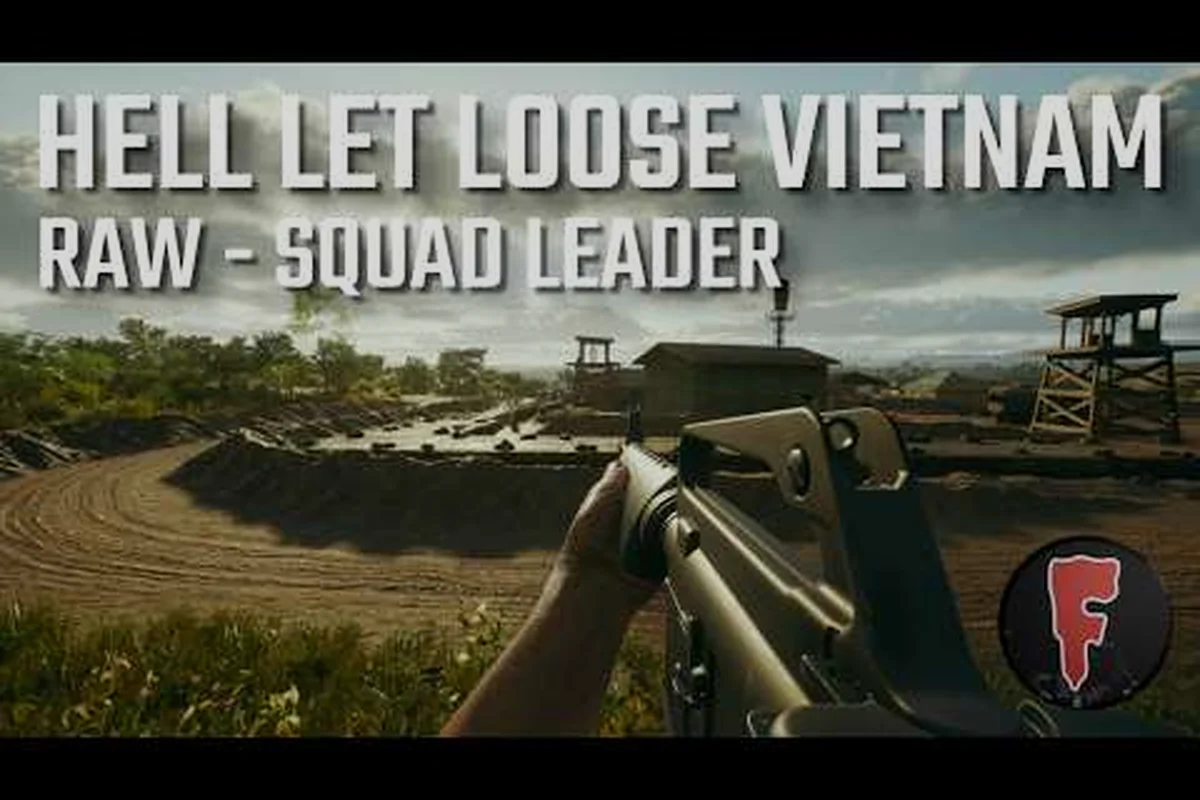
Hell Let Loose: Vietnam Rifle Squad Guide: Roles & Duties
Learn hell let loose vietnam rifle squad dynamics alongside recon, armour, helicopter, and mortar squads. Master squad leader and commander duties.
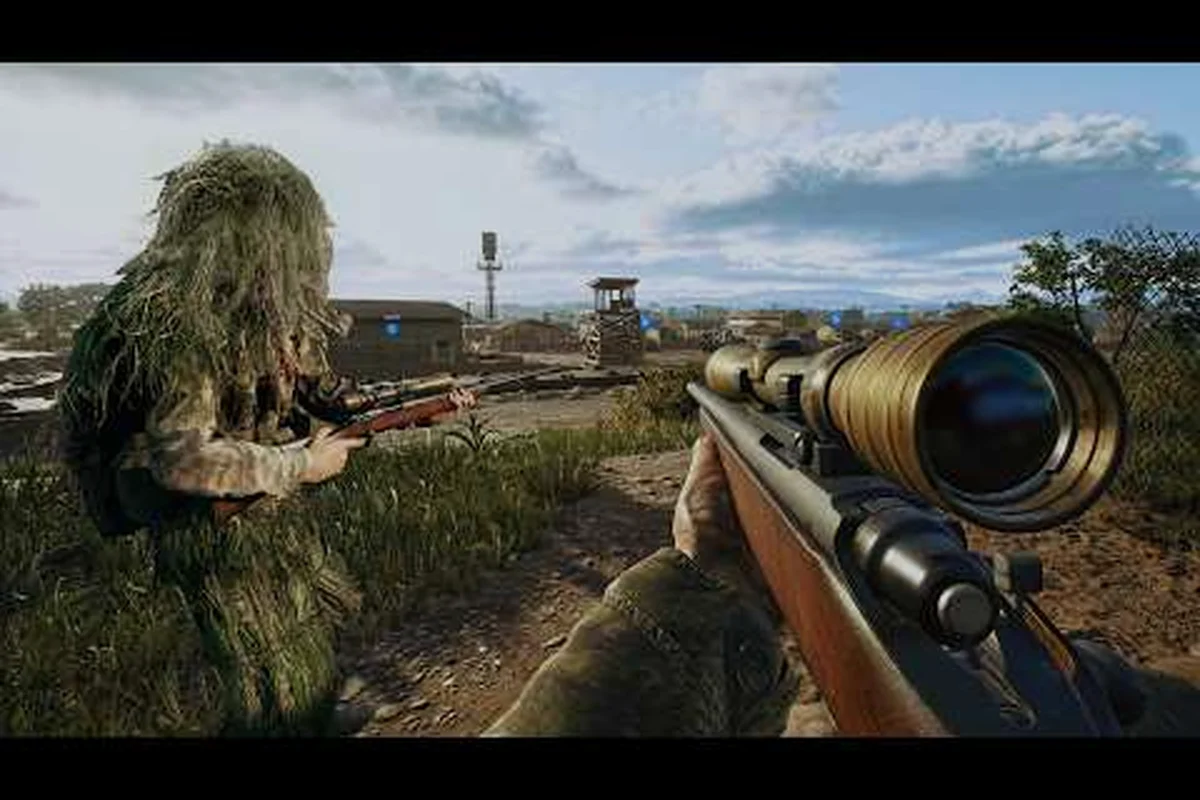
Hell Let Loose: Vietnam Role Unlock Fast Progression
Fast-track hell let loose vietnam role unlock guide with XP farming methods. Discover requirements for flamethrower, anti-tank, and officer classes.
All Articles
Hell Let Loose: Vietnam Rifleman Ammo & Smoke Tactics
Master the hell let loose vietnam rifleman with ammo resupply and smoke grenades. Support your squad with M16 accuracy and suppress enemies in jungle fights.
Hell Let Loose: Vietnam Class Guide: Unit & Squad Types
Understand hell let loose vietnam class guide covering all roles and units. Discover how many roles exist, squad types, and battlefield positions.
Hell Let Loose: Vietnam Mortar Observer: Direct Fire
Master the hell let loose vietnam mortar observer role to direct fire and adjust shells. Learn how to coordinate with mortar gunners for devastating support.
Hell Let Loose: Vietnam Spotter Mark & Call Strikes
Master the hell let loose vietnam spotter to mark priority targets and coordinate devastating artillery. Learn recon positioning, communication.