
Factions
US Armed Forces vs the North Vietnamese Army and Viet Cong — asymmetric weapons, Huey helicopters and buildable tunnel networks in Hell Let Loose: Vietnam.
Introduction
The Factions category compares the two armies of Hell Let Loose: Vietnam — the US Armed Forces and the North Vietnamese Army with the Viet Cong — and the asymmetric systems that define how each side plays. The US fields the M16A1, M60, M79 and M72 LAW, has exclusive access to Huey helicopters, and relies on coordination and air power to win. The NVA fights with the RPG-2, RPD, Type 56 and K50M, and its signature advantage is the buildable tunnel network: underground routes that let North Vietnamese forces move, spawn and ambush out of sight. The Viet Cong represent the guerrilla element of the NVA war effort, using tunnels and surprise attacks. This category explains each faction's weapons, vehicles, roles and gameplay style, compares their strengths and weaknesses directly, and answers which faction is easier or stronger — always remembering that balance is a design goal and team coordination matters more than faction choice.
Faction Comparison
| Faction | Signature Weapons | Vehicles | Unique System |
|---|---|---|---|
| US Army | M16A1, M60, M79, M72 LAW | Huey, Patton tanks | US-only helicopters |
| NVA | RPG-2, RPD, Type 56, K50M | Patrol boats | Buildable tunnels |
| Viet Cong | NVA arsenal + ambush | Patrol boats | Guerrilla tunnels |
Faction Profiles
US Army
Professional firepower and air power
NVA
Rugged weapons and tunnel warfare
Viet Cong
Guerrilla element of the NVA war effort
Core Mechanics
Faction gameplay in Hell Let Loose: Vietnam is built on deliberate asymmetry. The US Armed Forces are a professional military with superior coordination tools and air power: they field the accurate M16A1, the M60 for suppression, and the exclusive Huey helicopter for troop delivery, supply drops and fire support. Their playstyle rewards disciplined teamwork, sector control and air-ground coordination. The North Vietnamese Army fights with rugged, reliable weapons like the Type 56 and RPG-2, and its defining system is the tunnel network: squads build underground routes that act as hidden movement and spawn paths, letting NVA forces appear behind US lines and ambush in the jungle. The Viet Cong share the NVA arsenal and add the guerrilla tactics — tunnels, traps and surprise attacks — that make the jungle so dangerous. Each faction plays differently, and understanding that difference is the key to winning as either side.
Advantages
The asymmetric faction design is one of the game's biggest strengths because it creates genuinely different playstyles rather than reskinned sides. Playing the US means mastering air-ground coordination — the Huey is a force multiplier that can turn a match when flown well, and the M16A1 is a reliable all-rounder. Playing the NVA means mastering the tunnel economy — building routes, ambushing from unexpected angles and using the jungle to negate US firepower. This asymmetry also feeds the meta-game: US teams must secure supply drops and counter tunnel exits, while NVA teams must defend their tunnels and punish US air power with RPG-2s. For players who enjoy learning a faction identity, this category is the complete guide.
Challenges
The main challenge with factions is the balance question and the learning curve of asymmetry. The US's air power is powerful but coordination-heavy: a team that cannot use the Huey effectively loses a core advantage. The NVA's tunnels are strong but require builders and map knowledge — a tunnel built in the wrong place is a wasted effort. Pre-launch, the exact balance between the factions is not fully confirmed, and faction guides must present each side's toolkit rather than promising an absolute winner. New players should also pick one faction and learn its systems before comparing them, since the two play very differently.
Frequently Asked Questions
Which faction is better, US or NVA?+
How do NVA tunnel networks work?+
What makes the US faction unique?+
How do I choose which faction to play?+
Quick Tips
As US, use the Huey to supply front-line garrisons — a resupplied garrison stays open and keeps your pushes alive. A transport run that drops supplies to a contested garrison is worth more than an empty flight, because it sustains the spawn that wins the sector. Also remember that the Huey is a team asset — a supply run that keeps a front-line garrison open sustains the whole attack, so prioritize those runs over combat flying.
As NVA, build tunnels behind enemy sectors before you attack — an out-of-sight spawn is how you win the ambush war. The tunnel network lets your squad appear behind the US line, strike and fade back, so build it early and keep it linked. Also link every tunnel you build — a connected network lets your squad choose ambush angles after contact rather than being funneled out a single exit.
Recon is the faction counter — US Recon should hunt tunnels, NVA Recon should hunt the garrisons feeding US air drops. Whoever finds and removes the enemy's spawn infrastructure first gains a decisive edge, so point your recon at the map's weak points. Also coordinate with the wider NVA effort — the tunnel network works best when multiple squads use it to hit different sectors at once, spreading the US defense thin.
Featured
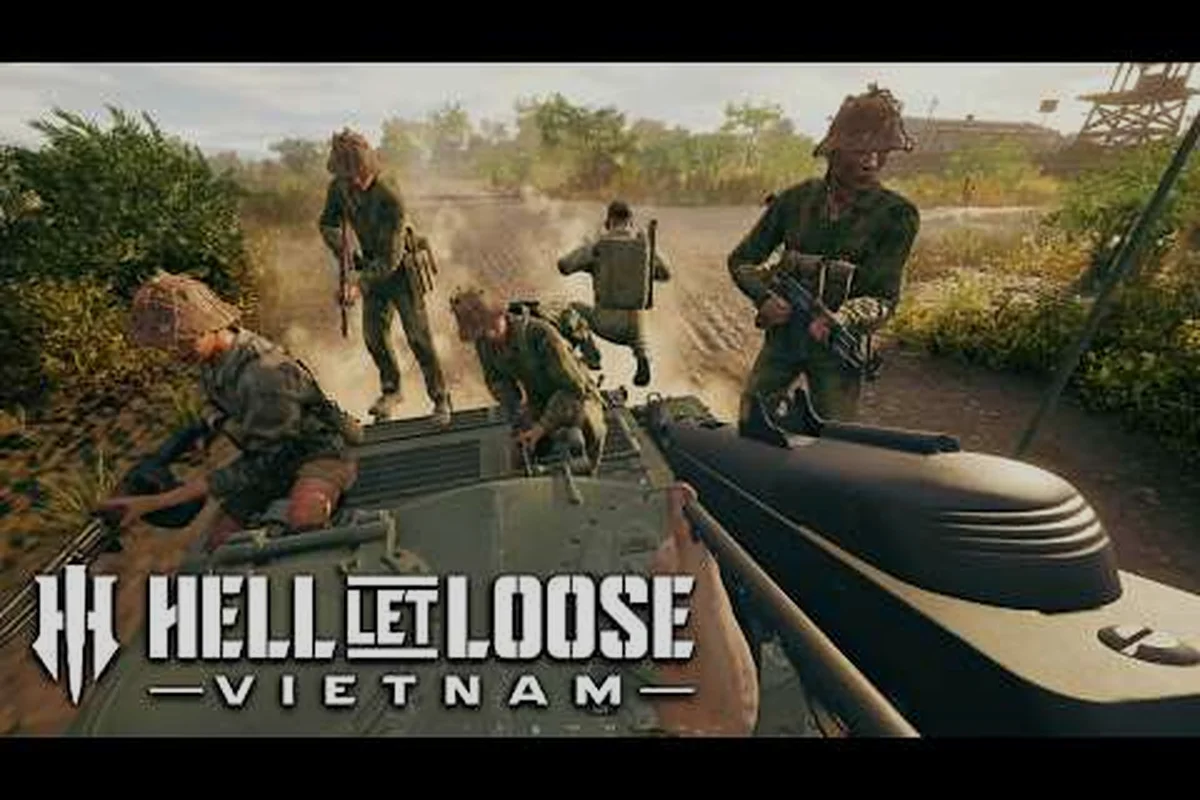
Hell Let Loose: Vietnam Factions: US vs NVA Differences
Compare hell let loose vietnam factions with this guide. Learn US and NVA differences, strengths, and balance to pick the best side for your playstyle.
Hell Let Loose: Vietnam North Vietnamese Army Guide
Master hell let loose vietnam north vietnamese army with roles and uniforms. Learn NVA and Viet Cong tactics to outsmart US forces in dense terrain.
Hell Let Loose: Vietnam US Faction: Army Roles & Kit
Master hell let loose vietnam us faction with roles, weapons, and uniforms. Learn how to play the US Army and counter NVA tactics in jungle combat.
All Articles
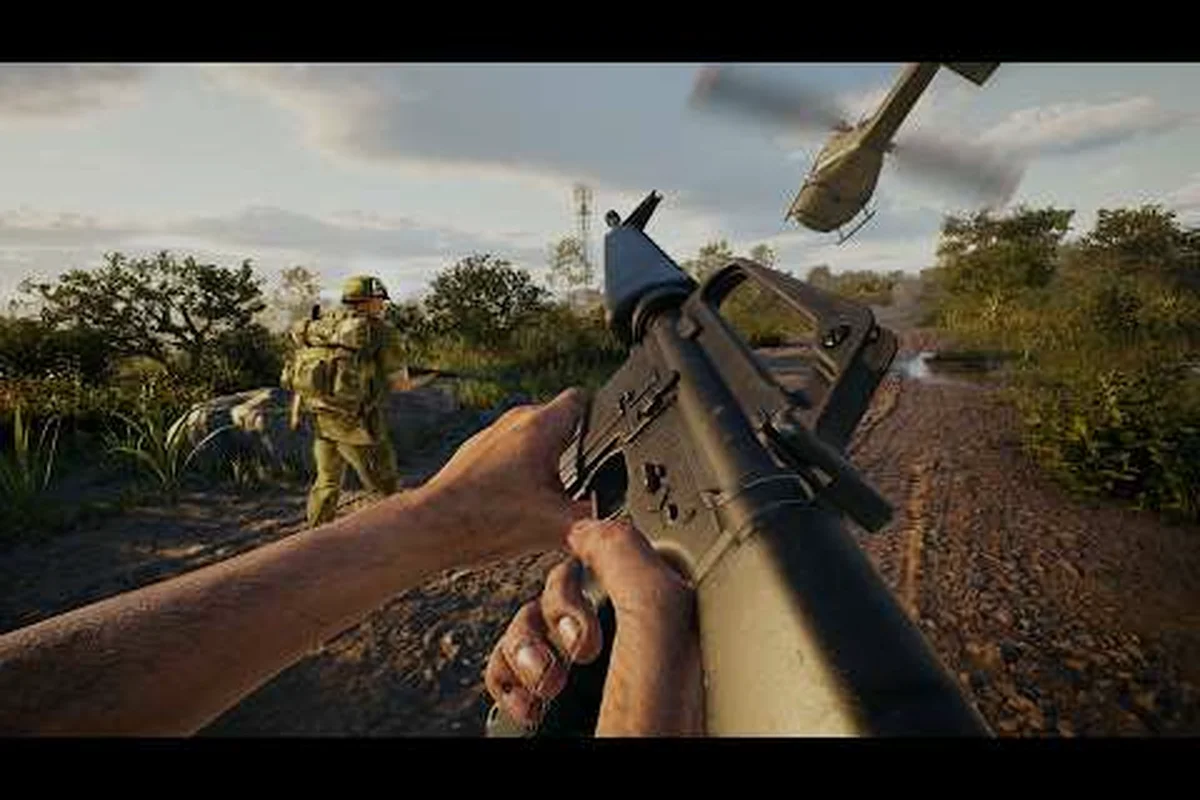
Hell Let Loose: Vietnam Faction Tier List: Best Side Ranked
Rank hell let loose vietnam faction tier list with strengths and weaknesses. Compare US vs NVA roles and gameplay to choose the best faction in 2026.

Hell Let Loose: Vietnam NVA Weapons List: PAVN Arsenal
Explore hell let loose vietnam nva weapons list and advantages. Compare PAVN arms against US gear, plus tunnel tactics to dominate as the North Vietnamese.
Hell Let Loose: Vietnam Tunnel Warfare: VC Tactics
Understand hell let loose vietnam tunnel warfare with Viet Cong tactics. Compare faction units, US helicopter counters, and updated strategies.
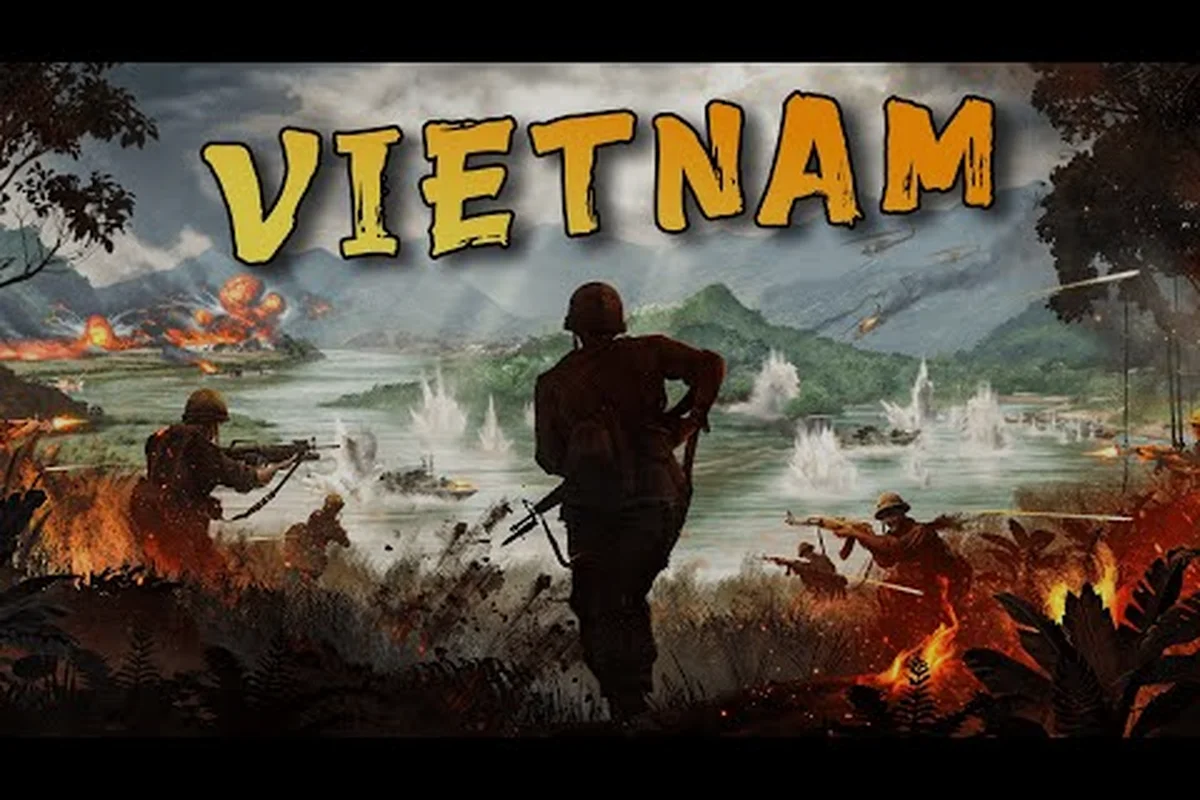
Hell Let Loose: Vietnam NVA Tunnels: Build & Spawn
Master hell let loose vietnam nva tunnels to outmaneuver US forces. Learn tunnel networks, spawn mechanics, and build strategies that give the North Vietnamese.